Lavender Flowers: A Practical Designer’s Review for Real Embroidery Projects
First Impressions: Soft, Whimsical, and Versatile
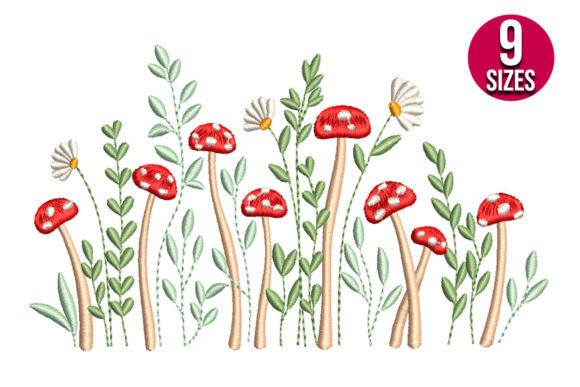
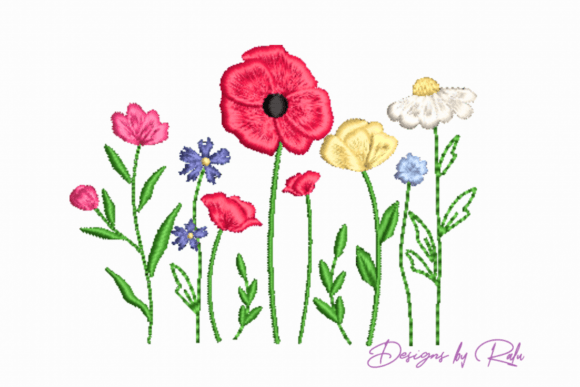
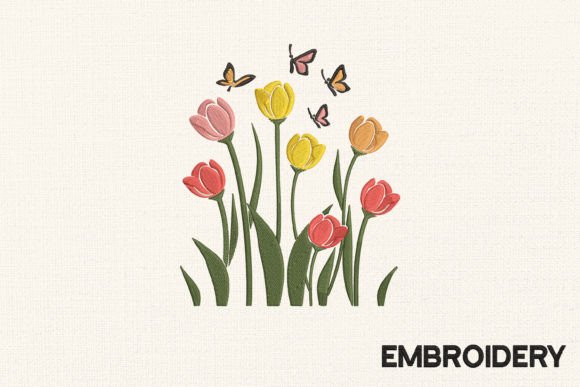
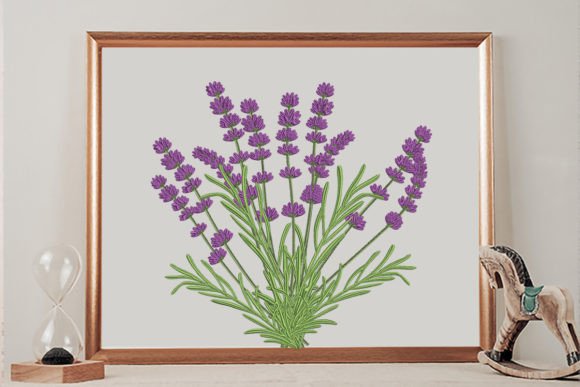
When I first opened the Lavender Flowers embroidery design, I immediately thought of spring mornings, handmade gifts, and boutique-style tote bags. It’s a soft, flowing bouquet with a slightly stylized look that still feels organic. The layout isn’t too tight, which is a good sign for stitch clarity. The design has a gentle, slightly nostalgic charm—perfect for projects that need a touch of personality without being overly bold.
The theme is clearly floral, but not too literal. It reads more as a decorative bouquet than a realistic lavender sprig, which makes it more adaptable across different uses. It’s the kind of design that could work equally well on a baby onesie, a kitchen towel, or a boutique sweatshirt.
Real-World Use: From Tote Bags to Sweatshirts
I recently used Lavender Flowers on a custom embroidered tote bag for a client who wanted a subtle, elegant gift design. The result was clean and attractive. The stitch paths were smooth, and there were no signs of puckering or distortion on the cotton canvas. It scaled well without losing detail, which is a big plus when you're adapting embroidery for different product sizes.
For sweatshirts and t-shirts, this design offers a nice balance. It’s not so dense that it’ll feel stiff on soft fabric, but still has enough visual weight to stand out. On a baby onesie, it added a sweet, non-overwhelming accent—especially when placed near the shoulder or chest area. It also looks great on tea towels and pillow covers, where the floral theme complements home decor without being too busy.
Commercial Appeal: Etsy, Craft Fairs, and Small Shop Products
If you're selling on Etsy or at craft fairs, Lavender Flowers is a solid choice. Its soft aesthetic appeals to a wide audience—especially women who like handmade, personalized items. Whether you're creating custom aprons or embroidered patches for boutique branding, this design adds a handmade touch that feels intentional and professional.
It works especially well as a digital embroidery file that customers can download and use themselves. Because the design is clean and straightforward, it's likely to perform well across different machines and skill levels. This increases buyer confidence, especially for those who may not be advanced embroiderers.
Where to Use It Carefully
While Lavender Flowers is versatile, there are a few situations where you’ll want to test it first. If you're working with a small hoop size, the full bouquet might not fit unless it's scaled down. If you do resize it, check that the fine lines in the stems and petals still stitch clearly.
On textured or stretchy fabrics like knits, be sure to use the right stabilizer. I found that a medium-weight tear-away worked best for t-shirts, while a cutaway was better for baby clothes where durability matters. On dark fabrics, thread color contrast becomes crucial—especially with the lighter details in the flowers. If you're using it on curved surfaces like caps or baby hats, test how the design adjusts to the shape before committing to a final stitch-out.
Stitch Quality and Design Details
From a technical standpoint, the Lavender Flowers embroidery file is well-constructed. The satin stitch outlines are smooth, and the fill stitches are even without being overly dense. There are no jagged edges or awkward transitions between elements, which is always a relief when working with digital embroidery files.
One thing I always check is how a design behaves in black and white mockups. Even without color, Lavender Flowers maintains its visual appeal, which means it can work well across a variety of fabric tones. That’s a big plus for sellers who want flexibility in their product offerings.
Practical Notes for Embroidery Designers
Here are a few tips I picked up while testing Lavender Flowers:
- Test on scrap fabric first, especially if you're using a new stabilizer or fabric type.
- Check thread color contrast against both light and dark backgrounds to ensure visibility.
- Review stitch density if you plan to resize the design—some areas may need adjustment.
- Confirm hoop size compatibility before stitching on a finished product.
- Inspect small details like flower centers or leaf tips to ensure they stitch cleanly.
- Use proper stabilizer based on fabric type—cutaway for stretchy, tear-away for stable weaves.
- Test in black and white mockups to see how the design reads without color.
- Check licensing if you plan to sell finished items or include the design in digital product bundles.
Final Thoughts: A Dependable Design for Real Embroidery Work
Lavender Flowers delivers on its promise of a whimsical, charming embroidery accent. It’s a well-executed machine embroidery design that performs reliably across a range of fabrics and project types. Whether you're creating custom apparel, personalized gifts, or small shop products, this design brings a soft, professional touch that’s easy to integrate and enjoyable to stitch.
As a designer and embroidery reviewer, I appreciate when a design like this works as well as it looks. It’s not overly complex, but it still has character and visual appeal. That makes it a solid addition to any embroidery project where charm and clarity are key.