Owl Wearing Glasses: A Designer’s Real-World Embroidery Review
First Impressions: Quirky, Playful, and Surprisingly Versatile
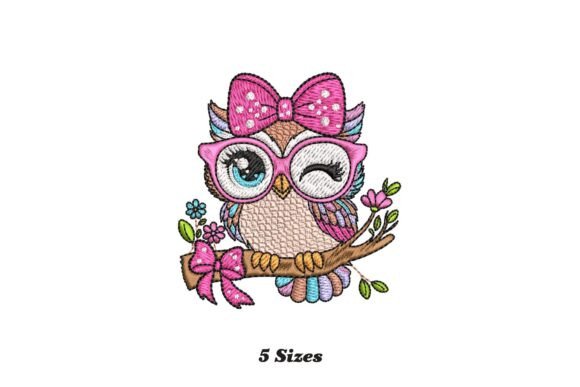
The first time I opened the Owl Wearing Glasses embroidery file, I was struck by how expressive the design is. It’s not just a cartoonish owl—it carries a subtle personality, with oversized glasses that suggest intelligence and a bit of whimsy. The shape is compact but balanced, making it ideal for small to mid-sized hoop projects. The layout feels intentional, avoiding overcrowding while still offering enough detail to make it visually engaging. This is a design that can work across multiple age groups and product types, from baby onesies to boutique tote bags.
Real-World Use: From Sweatshirts to Nursery Decor
I tested Owl Wearing Glasses on a few different materials to see how it would hold up in actual use. Starting with a standard cotton tote bag, the design stitched cleanly with minimal thread breaks. The satin-stitched glasses stood out nicely against the owl’s softer fill-stitched body, giving the whole piece a polished, professional finish. On a sweatshirt, the same design added a playful focal point without overwhelming the garment. The compact size made it ideal for a chest placement, and the level of detail held up well even on the thicker fabric.
When I stitched it onto a baby burp cloth, the design became instantly gift-worthy. The soft, rounded edges and friendly expression gave it that handmade charm that Etsy buyers love. It’s also a strong contender for holiday gifts—imagine it stitched onto a tea towel with a personalized name or date. For small shop owners, this design can be a recurring asset, especially when paired with seasonal color palettes or themed bundles.
Performance on Different Fabrics and Garments
One of the first things I check when evaluating an embroidery design is how it handles different fabric types. Owl Wearing Glasses performed well on smooth cotton and linen, where the details stayed crisp. On a stretchy knit T-shirt, I added a lightweight cutaway stabilizer to prevent distortion, and the final result was still sharp. The glasses and eyes remained clearly defined, which is crucial for maintaining the design’s charm.
However, on a textured canvas tote, some of the finer lines in the glasses softened a bit. This isn’t a flaw in the design itself, but rather a consideration for crafters using heavier materials. For dark fabrics, I recommend testing thread contrast—especially in the owl’s body and glasses frame. A white or silver thread might help those details pop more clearly.
Where to Use It Carefully
While Owl Wearing Glasses is versatile, there are a few use cases where it needs thoughtful handling. On curved surfaces like baseball caps, the design can stretch slightly unless proper tension and stabilizer are used. I’d also be cautious with very small hoop sizes—there’s enough detail in the glasses and facial features that it could get lost if scaled down too much.
For layered garments like hoodies or thick blankets, consider the stitch density. If the original file is already dense, you may want to adjust it slightly to prevent a stiff or bulky feel. Also, avoid using it in corners or tight spaces where small details might get cut off during trimming or wear.
Design Impact: Visual Appeal and Marketability
From a product standpoint, Owl Wearing Glasses has strong visual appeal. It’s the kind of design that invites a smile—perfect for Etsy sellers and craft entrepreneurs looking to build emotional connections with buyers. The character-driven nature of the owl makes it easy to market as a “personalized gift” or “small shop exclusive.”
In terms of brand consistency, this design fits well in shops that lean into playful, handmade aesthetics. It’s not too busy, so it can be paired with other elements like names, dates, or coordinating appliqués. As a standalone piece, it adds a touch of professionalism to any finished product, whether it’s a boutique pillow or a custom apron.
Practical Designer Notes Before You Stitch
Before using Owl Wearing Glasses in a real project, here are a few steps I always take:
- Test on scrap fabric first—especially if you’re using a new stabilizer or unfamiliar material.
- Check thread color contrast to ensure the glasses and eyes stand out as intended.
- Review stitch density—if the file is overly dense, it might not be suitable for stretchy or delicate fabrics.
- Confirm hoop size fits your machine and intended placement.
- Inspect small details like the owl’s beak and glasses frame—these can sometimes get lost in stitching.
- Try black and white mockups to see how the design reads without color.
- Compare light and dark backgrounds before choosing thread colors.
- Use the correct stabilizer—cutaway for stretchy fabrics, tear-away for stable weaves.
- Verify licensing if you plan to sell finished items or digital embroidery files.
Final Thoughts: A Solid Choice for Craft Entrepreneurs
Owl Wearing Glasses isn’t just another bird embroidery design—it’s a character-driven, marketable asset for makers and small business owners. Whether you’re creating custom apparel, personalized gifts, or commercial embroidery products, this design brings both charm and functionality to the table. It’s adaptable, expressive, and built for real-world use across a variety of fabric types and product formats.
For designers and Etsy sellers, it’s a smart addition to your digital design library. Just be mindful of fabric texture, hoop size, and color contrast to ensure the best results. With a little planning, Owl Wearing Glasses can become a go-to design in your creative toolkit.