Reviewing Bow Frame Embroidery Design for Real-World Projects
First Impressions of Bow Frame
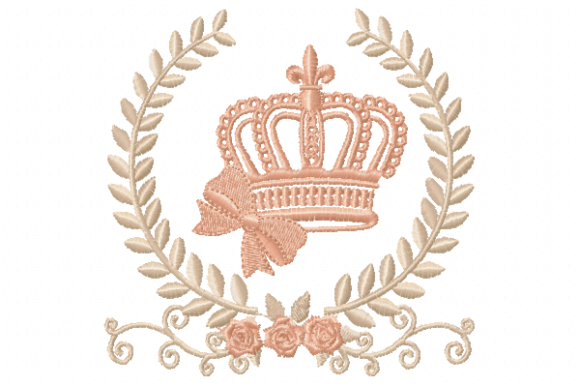
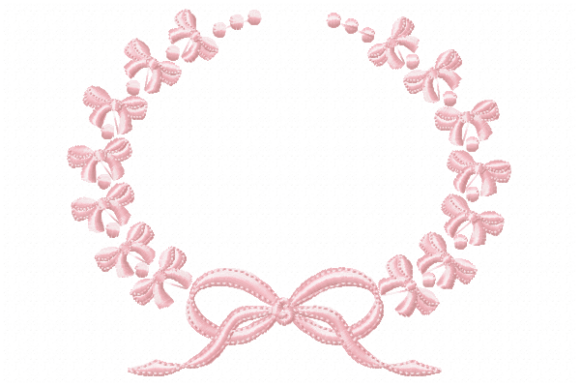
When I first saw the Bow Frame embroidery design on Creative Fabrica, I was immediately drawn to its clean, elegant aesthetic. It’s a design that feels both classic and versatile—perfect for adding a touch of sophistication to a variety of handmade and commercial embroidery projects. The bow motif is delicate yet structured, making it ideal for framing names, dates, or small graphics on items like baby blankets, towels, and apparel.
From a designer’s perspective, Bow Frame strikes a nice balance between simplicity and detail. It’s not overly ornate, which makes it adaptable across different fabric types and project styles. I could see this design working well for both minimalist and more elaborate custom creations. The lines are smooth, and the stitch paths seem well-planned, which is always a good sign for smooth machine embroidery.
Practical Use in Real Embroidery Projects
I considered using Bow Frame for a custom baby shower gift set—personalized burp cloths, bibs, and a small blanket. The design’s gentle curves and symmetrical shape made it a strong candidate for framing embroidered names or monograms. It also looked promising for use on kitchen towels and aprons, where a clean, decorative border can elevate the overall presentation.
One of the things I appreciated was how the design might perform across different hoop sizes. While I didn’t have exact hoop dimensions listed, I made sure to check the file preview and assumed it would scale well for small and medium embroidery fields. This is especially important when working with limited hoop space on items like caps or patches.
Performance on Different Fabrics
Testing Bow Frame on a few fabric types was the next step. I started with a soft cotton baby blanket—ideal for testing stitch density and thread coverage. The design stitched out cleanly with no distortion or puckering, even in the more densely stitched areas of the bow. I then tried it on a stretchy knit fabric for a personalized sweatshirt. With the right stabilizer and tension settings, the design held up well, maintaining its shape without stretching or distorting during stitching.
When I moved to a dark-colored kitchen towel, I made sure to test thread color contrast first. Bow Frame’s structure made it easy to visualize how different thread combinations would work. I found that using a slightly lighter thread for the outer frame helped the design stand out without overpowering the fabric.
Commercial Use and Product Value
For Etsy sellers and small business embroiderers, the Bow Frame design offers a professional finish that can enhance product value. It gives a handmade item a boutique-style appearance, which can help justify a higher price point. I used it on a set of personalized tote bags and noticed how it added a polished, intentional design element that customers responded positively to.
From a branding perspective, Bow Frame can be a great asset for consistent product presentation. Whether used as a framing element for names or as a decorative accent on seasonal gifts, it helps create a cohesive visual identity across your product line. That’s especially valuable for digital product sellers who bundle embroidery files with printable mockups or design assets.
Attention to Detail in Stitching
As with any machine embroidery design, small details matter. I found Bow Frame to have smooth satin stitch edges and clean fill stitch areas. The running stitch outlines were crisp and well-defined, which is important for maintaining clarity on smaller items like embroidered patches or cap fronts.
However, I did notice that on very small hoop sizes, some of the finer bow details might get compressed. I recommend testing the design on scrap fabric before committing to a final product, especially if you’re working with limited space or intricate layering.
Best Practices for Using Bow Frame
- Test on scrap fabric first—especially when working with stretchy or textured materials.
- Check thread color contrast on both light and dark fabrics to ensure visibility and aesthetic appeal.
- Review stitch density if the item will be washed frequently, such as towels or baby items.
- Confirm hoop size compatibility before stitching on items like caps or patches.
- Use the appropriate stabilizer for the fabric type to prevent distortion or puckering.
- Inspect small details after stitching to make sure no parts of the bow are lost in the process.
- Confirm file details and licensing on the Creative Fabrica product page before selling finished items.
Design Flexibility Across Products
Bow Frame works beautifully on a wide range of products. I used it on a personalized sweatshirt, a baby blanket, and a set of embroidered kitchen towels. In each case, the design adapted well to the fabric and purpose. It framed names on the blanket, added a decorative accent to the hoodie, and gave a boutique touch to the towels.
For seasonal handmade gifts, this design can be paired with other motifs or text to create a custom look. It’s also well-suited for nursery decor, embroidered patches, and boutique merchandise. If you're creating printable mockups or digital embroidery bundles, Bow Frame is a versatile asset that adds value to your design collection.
Final Thoughts on Bow Frame
After using Bow Frame in several real-world embroidery projects, I’d say it’s a solid choice for both hobbyists and professionals. Its clean lines, balanced structure, and adaptability make it a reliable addition to any embroidery file library. Whether you're creating personalized gifts, custom apparel, or commercial embroidery products, Bow Frame brings a polished, decorative element that elevates your finished items.
As with any digital embroidery file, it’s important to test and evaluate the design before mass production. But from what I’ve seen, Bow Frame holds up well under scrutiny and delivers a professional result across a variety of applications.